Landscape Maintenance for Water-Wise Landscaping Success
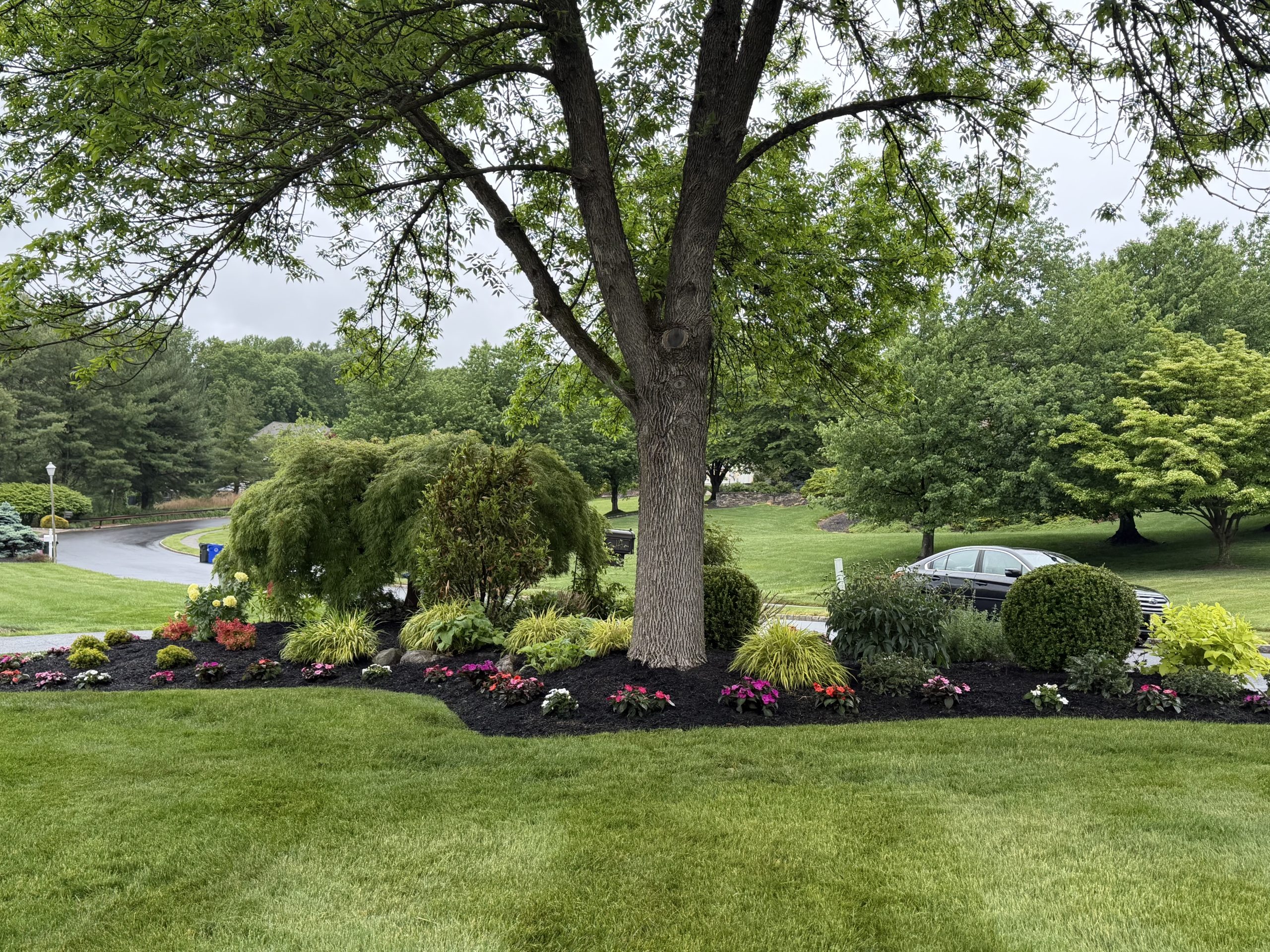
Water-wise landscapes are often sold as low-maintenance landscapes. That is only half true. They usually need less irrigation, less mowing, and fewer rescue treatments than a thirsty lawn-and-shrub layout. What they do need is attentive, informed Landscape Maintenance. The work changes shape. You spend less time reacting to stress and more time guiding plant health, soil performance, and irrigation efficiency.
That distinction matters. A water-wise yard can look effortless when it is mature and properly managed. It can also look sparse, brittle, or neglected when maintenance is treated as an afterthought. I have seen both outcomes on the same street, sometimes on adjacent lots with similar climates and budgets. The difference was rarely the design alone. It was the maintenance rhythm after installation, especially through the first two growing seasons.
A successful water-wise landscape is not just a collection of drought-tolerant plants. It is a system. Soil texture, irrigation delivery, mulch depth, plant spacing, drainage, and seasonal timing all affect how much water the site actually needs. Maintenance is the discipline that keeps those parts working together.
What water-wise really means on the ground
Water-wise landscaping does not mean never watering. It means watering deliberately, based on plant needs, root depth, weather patterns, and soil conditions. It also means choosing plants that can thrive with moderate to low supplemental water once established, then maintaining them in ways that preserve that resilience.
In practice, this shifts the maintenance conversation. Instead of asking, "How often should everything be watered?" You ask, "Which plants need deep, infrequent irrigation, which need occasional supplemental water, and which are being overwatered by a one-size-fits-all schedule?" Instead of clipping every shrub into a uniform ball, you manage shape, density, and air circulation according to species and site.
That approach is especially important in mixed landscapes. Many water-wise properties combine native shrubs, adapted perennials, ornamental grasses, trees, decomposed granite, mulch beds, and perhaps a small patch of functional turf. Each element ages differently. Each responds differently to irrigation and pruning. Landscape Maintenance in this setting requires judgment, not just routine.
The establishment period is where many landscapes are won or lost
The first year after planting is rarely "water-wise" in the strict sense. Roots are small, nursery soils dry differently than surrounding soil, and transplant stress can be deceptively subtle. A newly planted shrub that is called drought-tolerant on the label may still need regular deep watering for months while it knits roots into the site.
This is where many property owners get mixed messages. They hear "low water" and start cutting irrigation too soon. Then plants stall, foliage thins, and growth becomes uneven. Later, to fix the damage, they overcompensate with shallow daily watering, which encourages weak surface roots and increases disease pressure.
A better approach is to water more frequently at first, then taper as roots establish. The exact timeline depends on climate, soil type, plant size, planting season, and exposure. A one-gallon shrub planted in fall may settle in much faster than a fifteen-gallon specimen planted in late spring near reflective pavement. There is no universal calendar. The plant and the soil tell the truth.
One of the most useful habits during establishment is to physically check moisture below the surface. A screwdriver, soil probe, or even a hand trowel can tell you more than a controller setting ever will. If the top inch is dry but the root zone is evenly moist six inches down, the plant may be fine. If the surface looks damp but the root ball is dry at depth, you have a problem.
Irrigation maintenance matters more than irrigation technology alone
Smart controllers, drip systems, and weather-based scheduling can all help reduce water use. They are valuable tools, but they do not replace inspection. I have walked sites with expensive controllers that were "saving water" while half the drip emitters were clogged and a lateral line had been cut by a shovel weeks earlier. The schedule was smart. The water was not reaching the plants.
Water-wise Landscape Maintenance should include regular irrigation audits. That means looking at coverage, pressure, leaks, clogged emitters, broken heads, runoff, and ponding. It also means matching application rates to soil infiltration. Clay soil, for example, often benefits from cycle-and-soak scheduling. If you apply water too quickly, it sheds off the surface or pools around crowns. Sandy soil accepts water quickly but may require longer run times to wet the full root zone, depending on emitter spacing.
The most common irrigation problems in water-wise landscapes are surprisingly ordinary. Emitters get buried under mulch. Tubing pulls loose during weeding. A tree ring installed years ago still runs as if the tree were newly planted. Groundcover matures and blocks spray patterns. None of this is dramatic, but all of it affects plant health and water use.
A short field check every month during the growing season catches most of these issues before they become expensive. Run each zone manually. Watch it. Listen for hissing, sputtering, or dry clicking. Look for one plant that is greener or weaker than the rest. Those visual clues often point to a mechanical issue before the entire bed shows stress.
Soil is the quiet driver of water efficiency
Healthy soil is not a slogan. It is a practical maintenance concern. Soil determines how fast water enters, how long it stays available, how much oxygen roots receive, and how readily plants can access nutrients. If the soil is compacted, crusted, or chronically dry below the surface, even a well-designed water-wise planting will struggle.
Many landscapes start with compromised soil. New construction sites are notorious for this. Topsoil may be thin, subsoil may be compacted by equipment, and organic matter may be minimal. In those conditions, maintenance has to compensate.
Mulch is one of the best tools available. A proper layer moderates soil temperature, reduces evaporation, suppresses weeds, and softens the impact of heavy rain or irrigation. But mulch has to be maintained correctly. Too little, and it does not perform. Too much, and it can shed water or trap moisture against crowns and trunks.
For most planted areas, a mulch depth around two to three inches works well, adjusted for material and plant type. Keep it back from the base of shrubs and trees. Volcano mulching around trunks is still common, and it still causes unnecessary problems, including bark decay and shallow rooting.
Organic mulches improve over time as they break down, but that also means they need replenishment. Inorganic mulches such as gravel or crushed stone do not decompose, yet they are not maintenance-free. They collect windblown debris, harbor weed seeds, and can increase reflected heat in exposed sites. On some desert-adapted designs, mineral mulch is exactly right. On others, especially around younger perennials and shrubs, it can make establishment harder.
Pruning in a water-wise landscape is about plant function, not just shape
Over-pruning is one of the fastest ways to ruin the look and performance of a water-wise landscape. Shrubs sheared into tight domes often develop dense outer shells and bare interiors. Flowering is reduced. Natural form is lost. Water demand can even increase when plants keep pushing weak, repetitive regrowth after improper cuts.
Good pruning starts with knowing what the plant is supposed to look like. A mounding shrub should mound. An airy native should have some movement and transparency. Ornamental grasses should not be hacked halfway through the season because they look untidy for a week.
Timing matters too. Many flowering shrubs set buds on old wood. Cut them at the wrong time and you remove the next bloom cycle. Some plants benefit from renewal pruning, where older stems are thinned at the base to stimulate healthy growth. Others need only occasional deadwood removal. Water-wise maintenance rewards restraint.
I often tell clients that if a plant needs constant shearing to fit the space, the maintenance issue began at planting, not pruning. A compact cultivar or a better location is usually cheaper than a lifetime of corrective trimming.
Weed control is less glamorous than plant selection, but just as important
A newly installed water-wise landscape can look clean and intentional. Six months later, if weeds get ahead of the maintenance schedule, that same landscape can appear rough and neglected. Weeds also compete directly for moisture, especially in the establishment period when desirable plants are building roots.
The challenge is that many water-wise beds include mulch, gravel, open spacing, and drip irrigation, all of which can create ideal conditions for certain weeds. Gravel is particularly unforgiving. Once weeds seed into stone and organic debris accumulates, hand removal becomes slow and tedious.
The best weed management is cumulative. Stay ahead early, reduce seed set, and keep surfaces clean. A neglected weed problem almost always costs more to correct than to prevent. Pre-emergent products can have a place in some landscapes, but they are not universal solutions, especially around self-seeding ornamentals or sensitive species. Maintenance crews need to know what is intentional in the planting design before they treat broadly.
One practical habit makes a big difference: remove weeds before irrigation events when possible. Pulling or hoeing after a good watering can be easier in some soils, but letting weeds drink deeply beforehand gives them an unnecessary advantage.
Fertility should be measured, not automatic
Water-wise landscapes are often over-fertilized. This usually comes from maintenance habits carried over from conventional landscapes, especially lawns and high-input shrub beds. Too much fertilizer can push weak growth, increase pruning needs, and make plants less resilient to heat or drought stress.
Many adapted and native plants perform best with modest fertility. They are not improved by constant feeding. In fact, rich soils and aggressive fertilization can make some species floppy, short-lived, or more susceptible to pests.
That does not mean never fertilize. It means respond to need. Pale leaves, poor vigor, weak flowering, or known soil deficiencies may justify targeted feeding. Trees in difficult urban soils can benefit from thoughtful nutrition. Perennials in sandy soils may need periodic support. The key is to avoid blanket applications out of habit.
Compost can be useful, though not everywhere and not in every quantity. In a mulched bed with healthy biological activity, slow organic inputs often outperform quick synthetic pushes. Again, this is site-specific judgment, not doctrine.
Seasonal maintenance has a different rhythm than conventional landscapes
The calendar for water-wise Landscape Maintenance tends to revolve around irrigation adjustment, cleanup, pruning windows, and observation after weather extremes. The work is not evenly distributed throughout the year.
- Spring is often the time for irrigation startup checks, mulch touch-ups, light grooming, and evaluating winter survival.
- Early summer is when many hidden irrigation problems show themselves, especially uneven emitter output and heat stress in exposed areas.
- Late summer and early fall often reveal which plants are truly adapted and which have been surviving on extra water.
- Fall is ideal for planting in many climates, and it is also the moment to reduce irrigation gradually rather than abruptly.
- Winter is useful for structural pruning on appropriate species, controller review, and planning plant replacements before the next heat cycle.
That rhythm becomes sharper in regions with water restrictions. If irrigation days are limited, maintenance has to support deeper rooting and better water retention long before restrictions begin. Waiting until peak summer to "go water-wise" is usually too late.
Lawns still have a place, but only with intention
Some water-wise landscapes include turf, and that is not automatically a mistake. A small, functional lawn can make sense where children play, pets need a durable surface, or cooling around outdoor living spaces matters. The maintenance key is to keep turf where it serves a purpose and not let it dominate by default.
The trouble begins when small, awkward lawn shapes remain after a water-wise renovation. Narrow strips, tiny islands, and curved slivers are hard to irrigate efficiently and hard to mow cleanly. They often end up overwatered because https://kameronunhg839.raidersfanteamshop.com/eco-friendly-landscape-maintenance-methods-that-really-work the system is trying to keep every edge green.
If a site includes turf, maintain it as a distinct hydrozone. Do not let lawn schedules dictate water for adjacent shrubs or trees. The most efficient water-wise properties usually separate plant communities by water need and manage them accordingly.
Hardscape and drainage are part of maintenance too
When people think about Landscape Maintenance, they usually think plants first. On water-wise sites, hardscape and drainage deserve equal attention. Permeable surfaces clog over time. Decomposed granite migrates. Check dams in dry creek beds shift after storms. Swales collect sediment. If those elements are ignored, the landscape gradually loses the water-handling capacity it was designed to have.
I have seen excellent rain-capturing landscapes fail because downspouts clogged with leaves and overflowed in the wrong direction. I have also seen erosion start from something as simple as a missing splash block or a worn edge restraint along a gravel path. These are small repairs, but they preserve the function of the whole site.
Watch how water moves during actual rain if you get the chance. Plans and grading maps are useful, but field observation after a storm tells you where sediment deposits, where puddles linger, and where runoff cuts channels. That is valuable maintenance information you cannot get from a plant list.
Pests and disease behave differently under low-water management
Water-wise landscapes are not pest-proof. They do, however, change the pest profile. Overwatering can invite root diseases, fungus gnats, and weak growth that attracts sucking insects. Underwatering can stress plants and make them vulnerable to borers, mites, and opportunistic pathogens. The line between "water-wise" and "water-stressed" is narrower than many people think.
This is where experience matters. A grayish shrub in summer may be naturally glaucous, dust-covered, heat-stressed, or suffering from root loss. Crispy leaf edges might signal salt buildup, reflected heat, irregular irrigation, or simple species mismatch. If every symptom is treated as a fertilizer problem or a pest problem, maintenance costs rise and plant health does not.
Integrated management works best. Start with irrigation, exposure, soil, and pruning history before reaching for treatments. Often the correction is cultural. Reduce mulch piled against crowns. Extend irrigation farther outward to encourage root spread. Thin a shrub for airflow. Redirect overspray off foliage. These are maintenance choices with real diagnostic value.
The most common failures are simple, not exotic
Most struggling water-wise landscapes are not failing because the concept is flawed. They are failing because basic maintenance details were missed repeatedly. The pattern is familiar: irrigation is not adjusted as plants mature, pruning ignores natural form, weeds go to seed, mulch is either absent or excessive, and nobody checks whether water is reaching the root zone.
The good news is that these are fixable problems. I have seen tired landscapes recover within a season once irrigation was corrected and maintenance became more intentional. Plants that looked like poor selections often turned out to be decent choices suffering from poor establishment or years of shallow watering.
When evaluating a site, these are the first five things worth checking:
- Whether irrigation is reaching the full root zone, not just the soil surface
- Whether plants are grouped by similar water needs or forced onto one schedule
- Whether mulch depth is appropriate and kept away from crowns and trunks
- Whether pruning respects the mature form and bloom cycle of each species
- Whether weeds and debris are being removed before they create larger maintenance burdens
None of that is glamorous, but it is the core of successful Landscape Maintenance.
Maturity changes the work
A water-wise landscape at year five should not be maintained the same way it was at month five. Established plants usually need less frequent irrigation, but they may need wider wetting patterns as roots expand beyond the original planting hole. Shrubs may need selective thinning rather than tip clipping. Trees may cast enough shade to change what grows beneath them. What was once an exposed gravel bed may become a crowded planting that traps litter and requires occasional editing.
This is a sign of success, not failure. Good landscapes evolve. Maintenance should evolve with them.
Some of the best water-wise properties I have visited no longer look "newly designed." Plants have grown together, edges have softened, and the site feels settled into its climate. That look does not happen by neglect. It comes from years of measured intervention, the kind that is easy to miss when it is done well.
Why maintenance determines whether water-wise landscapes fulfill their promise
A water-wise landscape can reduce water use significantly, but only if maintenance protects the design intent. The promise is not just lower utility bills. It is healthier plants, fewer replacements, better seasonal appearance, and a landscape that belongs to its region rather than fighting it.
That outcome depends on observation more than routine. The best maintenance teams notice subtle color shifts before stress becomes decline. They spot a clogged emitter before a shrub dies back. They know when not to prune. They understand that a mature desert willow, a young manzanita, and a patch of blue grama do not want the same treatment just because they share a property.
Water-wise success is rarely dramatic. It shows up in the absence of emergencies, the steadiness of plant performance through heat, and the way the landscape holds together with less intervention over time. Proper Landscape Maintenance is what makes that possible. Without it, even the smartest design can unravel. With it, a landscape becomes more resilient, more attractive, and genuinely more efficient year after year.
Majestic Mowing & Landscaping LLC
Phone number: +19733975532
FAQ About Landscape Maintenance
What is landscape maintenance?
Landscape maintenance is the ongoing care, cleaning, and upkeep of outdoor green spaces to keep them healthy, safe, and attractive.
Is $100 an hour too much for landscape work?
An hourly rate of $100 is not too much for specialized or professional landscape work, though it sits at the higher end of the standard pricing spectrum.
How much do landscapers charge for maintenance?
For professional landscaping maintenance, homeowners typically pay $100 to $410 per month for recurring services, or an hourly labor rate of $50 to $100 per hour per crew member.