Landscape Maintenance Techniques to Reduce Pest Problems

Pest pressure in a landscape rarely begins with the pest itself. It usually starts with conditions, too much moisture around roots, weak turf, crowded shrubs that never dry out, mulch piled against trunks, or irrigation timing that turns planting beds into a nightly invitation. When insects, mites, rodents, or disease vectors seem to appear out of nowhere, the real story is often that the site has been quietly made hospitable to them for months.
That is why good landscape maintenance does more than keep a property attractive. It changes the habitat. It takes away shelter, interrupts breeding cycles, strengthens plant health, and reduces the kind of stress that makes ornamentals easy targets. On commercial sites, municipal properties, and residential landscapes alike, the most effective long-term pest reduction comes from routine cultural work done well and done on time.
I have seen this play out in ordinary settings more times than I can count. A client may assume aphids are the central problem because leaves are sticky and black with sooty mold. But after a closer look, the real issue turns out to be excessive nitrogen, dense interior growth, and irrigation that keeps flush growth coming longer than it should. Another property may struggle with chinch bugs in sunny lawn areas, yet the deeper pattern is chronic drought stress and mowing practices that scalp turf every other week. Pest control products may knock numbers down for a while, but maintenance is what changes the trajectory.
The landscape itself sets the terms
Healthy plants are not pest-proof, but they are harder to overwhelm. A strong shrub can tolerate some chewing, a vigorous perennial can outgrow minor feeding damage, and a well-rooted tree can withstand occasional pest pressure that would seriously injure a stressed specimen. Landscape maintenance matters because it affects the plant’s energy reserves, leaf density, rooting depth, and ability to compartmentalize injury.
There is also the matter of access. Pests need routes, shelter, and stable conditions. Branches touching siding create runways for ants and rodents. Thick groundcover around foundations can hide cockroach and rodent activity. Dense plant canopies trap humidity that favors fungal issues and the insects that thrive in lush, protected foliage. None of this is dramatic, but together it changes a site from tolerable to ideal.
The best maintenance crews learn to read these signals before a problem reaches the complaint stage. They notice where irrigation overspray wets pavement near entryways, where hedge interiors are bare because air and light cannot penetrate, and where weed growth at fence lines is harboring pests that later move into beds. Those observations are not cosmetic. They are pest management decisions in disguise.
Start with plant selection and spacing
A great deal of future pest pressure is decided on installation day. Plants placed where they naturally fit the soil, light, drainage, and mature size need less rescue work later. When the wrong species is forced into the wrong place, maintenance becomes reactive. More water, more fertilizer, more pruning, more treatment. Each correction can create fresh vulnerability.
Spacing deserves particular attention. New landscapes often look sparse if they are laid out with mature spread in mind, so there is a temptation to tighten spacing for instant fullness. Two or three years later, shrubs knit together, canopies overlap, and crews are shearing the outside while the interior turns dark and stagnant. Spider mites, scale, whiteflies, and fungal leaf issues often thrive in that kind of neglected density.
Proper spacing gives air movement room to work. Leaves dry faster after rain or irrigation. The inner canopy receives some light. Maintenance staff can inspect stems and branch crotches instead of guessing from the outside. That access alone makes early detection much easier.
There is also a diversity factor. Monocultures are efficient to design and easy to repeat, but they can be risky. If a site is planted heavily with one pest-prone species, a single outbreak can move fast and make the whole property look neglected at once. Mixed planting does not eliminate pests, but it reduces the chance that one problem will dominate the visual and biological system.
Water management is often the hinge point
If I had to name one maintenance practice with the biggest influence on pest problems, it would be irrigation management. Too much water and too little water both invite trouble, just in different ways.
Overwatered landscapes commonly show soft, lush growth that attracts sucking insects, shallow root systems, crown problems, and poor oxygen in the soil. In turf, frequent light irrigation can encourage disease and weak rooting. In shrub beds, wet mulch and poorly drained soil can favor fungus gnats, root rots, and stress that makes plants more vulnerable to secondary pests.
Underwatering creates its own pattern. Drought-stressed turf becomes more susceptible to chinch bugs and other opportunistic pests. Spider mites often surge during hot, dusty, dry periods, especially where plant stress and reflected heat combine. Trees under chronic moisture stress can become less resilient to borers and scale insects.
The goal is not simply less water or more water. It is the right amount, applied deeply enough and at intervals that support healthy rooting. Timing matters too. Watering in the predawn hours is usually preferable because https://rentry.co/7bzzk6wo it limits evaporation while allowing foliage to dry after sunrise. Evening irrigation that leaves foliage wet overnight can increase disease pressure in many ornamental plantings.
Maintenance teams should periodically audit irrigation zones rather than assuming settings are correct. Heads shift. Drip emitters clog. Turf zones can overspray shrub beds. Grade changes alter runoff patterns. A system that was acceptable in spring may be excessive by early fall. When you correct irrigation, you often lower pest pressure without touching a pesticide jug.
Pruning for airflow, visibility, and plant strength
Pruning is one of the most misunderstood parts of Landscape Maintenance. On many properties it becomes a routine shape-control exercise, and that is where problems start. Repeated shearing can produce dense outer shells of foliage with dead, bare, humid interiors. From the curb it may look tidy. Inside the plant, conditions are ideal for hidden infestations.
Selective pruning is usually more effective for pest prevention. Thinning cuts open the canopy, reduce friction points, and let inspectors see what is happening along stems and branch unions. That visibility matters. Scale insects, egg masses, cankers, and early mite damage are easier to catch before they spread.
Timing also matters. Pruning at the wrong time can stimulate tender new growth that certain pests prefer. Heavy cuts during heat stress can also weaken plants. In practice, good crews adjust by species and season. Flowering shrubs may need one schedule, evergreen screens another, and trees another still. The objective is not just shape. It is vigor and balance.
One property I worked on had recurring whitefly pressure in ficus hedges along a west-facing wall. The instinct had been to shear them into a hard formal line every few weeks during the warm season. Once the maintenance plan shifted to more selective interior thinning and less constant tip stimulation, infestation levels became easier to manage. The hedges looked slightly less rigid, but they were healthier and required fewer corrective treatments.
Mulch helps, until it becomes habitat
Mulch is valuable when it is used correctly. It moderates soil temperature, reduces weed competition, slows evaporation, and lessens splash that can move soil-borne pathogens onto lower foliage. Yet mulch can also become part of the pest problem if it is applied too deeply or pushed directly against trunks and stems.
A common mistake is the so-called mulch volcano, where material is piled several inches high against the base of trees. That keeps bark damp, can encourage decay, and creates shelter for insects and rodents. Around shrubs and perennials, thick, compacted mulch can hold too much moisture and reduce oxygen exchange near the root zone.
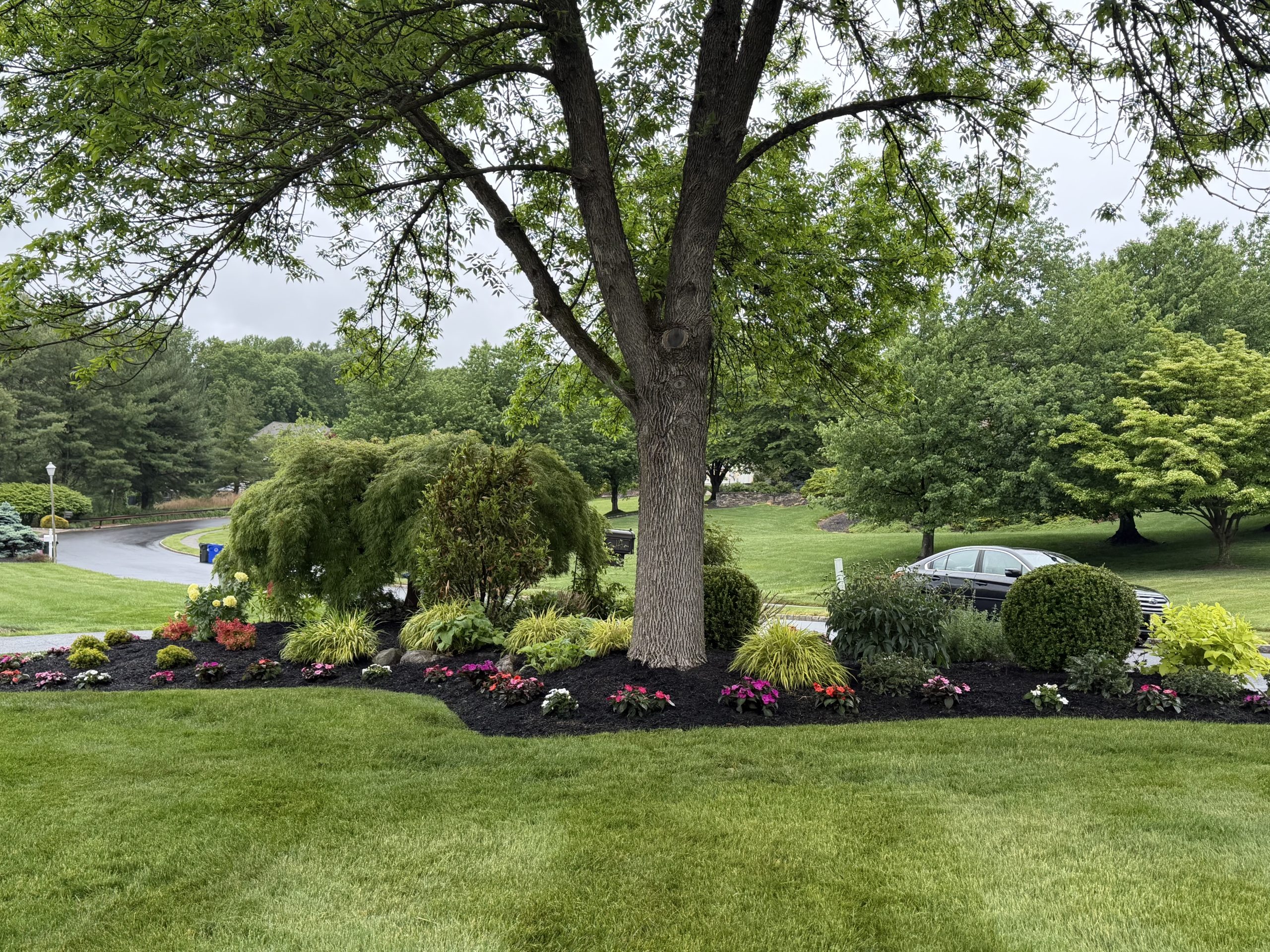
In most ornamental beds, a moderate mulch layer is enough, often around two to three inches depending on material and site conditions. The important detail is to keep a visible gap around trunks and crowns. Refreshing mulch should not mean burying the old layer deeper each season. If material has accumulated, some of it should be pulled back or removed.
Mulch selection can matter as well. Finer materials break down faster and may hold more moisture. Coarser textures can improve airflow at the surface but may shift on slopes. There is no universal winner. The site dictates the best choice.
Mowing and edging influence more than appearance
Turf pests are heavily affected by basic mowing practices. Lawns cut too short lose leaf area, heat up faster, and rely on shallower roots. That stress opens the door to insects and disease. By contrast, turf maintained at an appropriate height for its species usually shades the soil better, competes more effectively with weeds, and tolerates feeding pressure with less visible decline.
Sharp mower blades are another overlooked detail. Ragged leaf tips from dull blades increase stress and can make the lawn appear diseased even when the issue is mechanical injury. Clippings, when not excessive, generally do not cause pest issues and can return some nutrients to the soil. But heavy clumps left on shaded or poorly drained turf can smother areas and hold moisture where disease pressure is already high.
Edging around sidewalks, fences, and planting beds also matters. Overgrown edges create hiding zones for insects and can let weeds mature and harbor pests. Clean transitions improve monitoring because crews can see activity instead of looking through a ragged margin of grass and volunteer growth.
Fertility should support growth, not force it
Overfertilized landscapes often look impressive for a short window. Then the side effects show up. Tender growth attracts aphids, mites, lace bugs, and other sap feeders. Excessive nitrogen can also reduce tissue strength and increase the amount of corrective pruning required. On the other hand, severely undernourished plants are weak and slow to recover from feeding injury.
Balanced fertility is the aim, and that starts with knowing the plant and the soil rather than following a blanket calendar. Many established ornamentals need less fertilizer than people think, especially where soil already has moderate fertility. Turf can be more schedule-driven, but even there, local climate, grass species, and irrigation influence how much nutrient is appropriate.
Slow-release products or split applications often produce steadier growth than a heavy single dose. That steadiness is useful because it avoids the flush-and-crash cycle that can intensify pest pressure. When maintenance teams pair sensible fertility with observation, they can often spot correlations quickly. If every high-nitrogen push is followed by aphid complaints on the same species, the lesson is clear.
Weed control is pest control
Weeds do more than compete with ornamentals. They can act as alternate hosts for insects, shelter for rodents, and reservoirs for disease. Unmanaged weeds at fence lines, utility boxes, drain swales, and behind AC units are especially problematic because those areas are easy to ignore and hard to inspect once growth gets ahead.
The method of weed control matters less than consistency. Mulching, hand removal, cultivation, selective herbicides, and pre-emergent programs all have their place. What matters is preventing weeds from maturing into a secondary habitat. In many landscapes, pest issues begin on the margins and move inward. A bed may seem clean from the front walkway while the backside against a wall is full of grasses, debris, and hidden activity.
One municipal site I visited had recurring rodent complaints near a decorative hedge line. The hedge itself was blamed, but the real harboring area was a neglected strip behind the irrigation backflow and utility boxes where seed-producing weeds and leaf litter had built up for months. Once that zone was brought into the regular maintenance route, sightings declined.
Sanitation is rarely glamorous, but it works
Few practices pay off as reliably as basic sanitation. Fallen fruit, dropped seed heads, broken branches, dead annuals, and rotting leaf piles all support pest activity in one way or another. Some attract insects directly. Others feed rodents or create moist shelter. Still others allow disease inoculum to persist longer than necessary.
The challenge is that sanitation is easy to postpone because it does not always create an immediate visual transformation. Yet from a pest standpoint, it changes the site quickly. A clean bed surface reveals frass, cast skins, chew marks, and burrow openings. A cluttered bed hides all of them.
Good sanitation also includes tool hygiene when disease is present. Pruners, hedge trimmers, and saws can move pathogens if crews work from an infected plant straight into healthy material without cleaning blades. That does not mean sterilizing tools after every cut on every site. It means using judgment when known disease issues are in play.
The maintenance actions that make the biggest difference are often simple:
- Remove dead plant material before it accumulates under shrubs and in dense groundcover.
- Clear fallen fruit and seed-heavy debris that attract insects and rodents.
- Keep mulch and leaf litter from building up against foundations, fences, and trunks.
- Dispose of heavily infested clippings and pruning waste instead of leaving them on site.
- Clean tools when moving between diseased and healthy plants.
Monitoring turns maintenance into prevention
Routine observation is the bridge between ordinary maintenance and real pest reduction. Crews who know a property well can recognize subtle changes early, bronzing on the sunny side of a hedge, stippling low in the canopy, ant trails on one trunk, or a patch of turf that wilts hours before the rest. Those details matter because early-stage interventions are usually smaller, cheaper, and less disruptive.
Monitoring does not require a formal scouting program on every property, though large sites benefit from one. It does require consistency. The same high-risk areas should be checked repeatedly, especially during weather patterns that favor certain pests. Hot, dusty spells raise concern for mites. Prolonged humidity puts foliar disease and moisture-related stress on the radar. Spring flush brings one set of vulnerabilities, late summer another.
Documentation helps. Even brief notes about where issues recur, when symptoms first appear, and what conditions were present can reveal patterns. Many persistent pest complaints are seasonal and location-specific. Once that pattern is clear, maintenance can be adjusted before the outbreak window opens.
Hardscape, drainage, and structural details matter too
Pests do not respect the line between planting areas and built surfaces. Poor drainage around walkways or building edges can create standing water and saturated pockets that support mosquitoes or stress nearby plants. Shrubs pressed tightly against walls reduce airflow and create concealed corridors for insects and rodents. Tree limbs touching roofs provide easy access for ants, rats, and squirrels.
This is where pest-aware Landscape Maintenance overlaps with site management. Downspouts should direct water away from foundations and not dump constantly into a small bed. Gravel strips or simpler plant palettes near buildings can reduce concealed harborages. Utility penetrations, fence junctions, and storage areas should be visible enough to inspect and service.
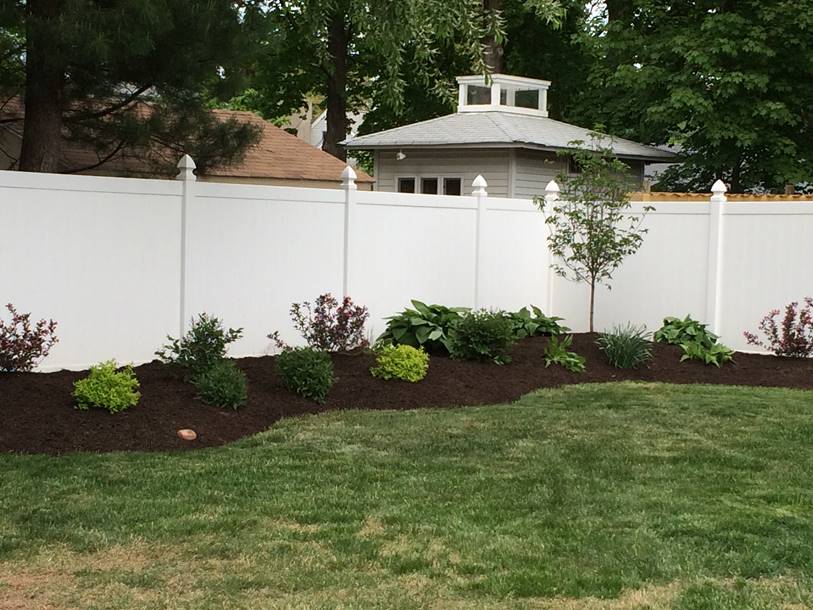
There is a trade-off here. Dense foundation plantings can soften architecture beautifully, and many clients want that full look. The compromise is usually to maintain a slight setback from the structure, preserve inspection space, and avoid creating a sealed green wall that no one can see through or behind.
Seasonal adjustments make the difference
The same maintenance plan should not run unchanged all year. Pest pressure shifts with temperature, rainfall, plant growth stage, and site use. A crew that adjusts seasonally will usually prevent more problems than one that simply repeats the same tasks on the same interval.
A practical seasonal rhythm often looks like this:
- In spring, focus on inspection, pruning corrections, irrigation startup, and catching weed growth before it matures.
- In summer, watch moisture closely, avoid stress from over-pruning, and monitor hot spots for mites, scale, and turf decline.
- In fall, reduce debris buildup, reassess mulch depth, and address drainage or crowding issues revealed by the growing season.
- In winter, handle structural pruning, remove dead or damaged material, and plan replacements for plants that repeatedly invite problems.
This kind of seasonal planning does not need to be complicated. It simply reflects the reality that pests exploit timing. Maintenance should do the same, but in the opposite direction.
When replacement is smarter than repeated treatment
Some plants become chronic liabilities on certain sites. They may be poorly adapted, repeatedly stressed, or simply famous for attracting a pest that is hard to manage in that location. In those cases, the best maintenance decision may be removal and replacement rather than indefinite treatment.
That can be a difficult recommendation because clients often focus on the short-term cost of replacement. But repeated chemical control, frequent pruning, and plant decline also carry costs, financial and aesthetic. Over several years, replacing a problematic species with one better suited to the site is often the more economical choice.
This is especially true where a plant’s natural growth habit conflicts with the maintenance goal. A large shrub constantly forced into a narrow space will stay stressed and dense. A thirsty species planted in reflected heat beside pavement will always be on the edge in summer. The pest issue may look primary, but the mismatch is the real problem.
A disciplined routine beats heroic interventions
The landscapes with the fewest serious pest problems are not usually the ones with the most aggressive treatment programs. They are the ones with the most disciplined routine. Water is tuned correctly. Plants have room to mature. Pruning opens rather than seals the canopy. Beds are clean. Weeds do not gain a foothold. Problems are noticed early.
That kind of care is less dramatic than emergency spraying after an outbreak, but it is more effective and more durable. It also produces landscapes that look better for reasons clients can feel even if they cannot name them. Leaves hold color longer. Turf recovers faster. Shrubs keep fullness without appearing stuffed or overworked. The whole property reads as stable.
Pests will never disappear entirely from living landscapes, nor should they. The goal is not sterility. It is balance, where the site does not hand pests every advantage. Good Landscape Maintenance creates that balance. It removes opportunity, strengthens plants, and turns prevention from a slogan into a practical system.
Majestic Mowing & Landscaping LLC
Phone number: +19733975532
FAQ About Landscape Maintenance
What is landscape maintenance?
Landscape maintenance is the ongoing care, cleaning, and upkeep of outdoor green spaces to keep them healthy, safe, and attractive.
Is $100 an hour too much for landscape work?
An hourly rate of $100 is not too much for specialized or professional landscape work, though it sits at the higher end of the standard pricing spectrum.
How much do landscapers charge for maintenance?
For professional landscaping maintenance, homeowners typically pay $100 to $410 per month for recurring services, or an hourly labor rate of $50 to $100 per hour per crew member.